Every brand wants loyal customers, but loyalty doesn’t just happen. It’s built through trust, consistency, and meaningful experiences. In the past, businesses relied on loyalty cards or discount programs to keep people coming back. Today, the game has changed. Customers expect personalized service, instant answers, and interactions that feel human even when they aren’t.
That’s where Artificial Intelligence (AI) comes in. In 2025, AI is no longer just a back-office tool it’s shaping the way businesses connect with people every single day. When used thoughtfully, AI can transform casual buyers into lifelong customers.
Why AI Is Becoming a Loyalty Driver
Recent industry reports show that businesses using AI in customer engagement are reducing churn, launching campaigns faster, and seeing stronger returns on their investments. The key isn’t just the technology—it’s how it’s applied. With cleaner data and smarter personalization, companies are able to create experiences that feel tailor-made for each customer.
The result? Customers feel seen, understood, and valued—three essentials for building lasting loyalty.
The Big Shifts Happening in 2025
Personalization on a Whole New Level
Gone are the days of one-size-fits-all marketing emails. AI tools can now analyze buying behavior, browsing patterns, and even customer moods to deliver personalized recommendations in real time. Imagine getting a product suggestion just when you need it—it feels less like a sales pitch and more like good timing.
Conversations That Understand Emotion
AI chatbots are no longer robotic text machines. Today’s systems can pick up on tone and sentiment, adjusting their responses to show empathy. Pair this with multimodal AI—which works across text, voice, and visuals—and customers get a smoother, more natural interaction that feels closer to speaking with a human.
Proactive Help Instead of Reactive Support
One of the most exciting changes is Agentic AI—systems that don’t just respond, but act on their own. Instead of waiting for a customer to complain, these systems can spot problems ahead of time and offer solutions automatically. Luxury brands, for example, are already using AI assistants that recommend styles, arrange deliveries, and handle returns without human involvement.
Keeping the Human Touch
Even with smarter AI, people still want the option to talk to a real person. The most successful brands use a blended approach: AI for speed and convenience, humans for empathy and judgment. Being transparent about when customers are dealing with AI also builds trust.
Data, Insights, and Measurable Results
AI thrives on data, and businesses are investing more in clean, reliable customer data to fuel these systems. Companies that measure their results carefully—tracking loyalty metrics like repeat purchases and customer satisfaction—are finding it easier to prove that AI directly improves loyalty.
How AI Turns Engagement into Loyalty
- Speed matters: Instant support keeps customers from feeling ignored.
- Proactive service: Solving problems before they arise shows customers you care.
- Consistency: Personalized experiences across email, chat, and in-store touchpoints make customers feel recognized everywhere.
- Trust: Being open about how AI is used, and keeping humans in the loop, strengthens relationships.
What Businesses Can Do Today
- Start small – Test AI in one area like personalized emails or chatbot support.
- Get your data right – The better your customer data, the smarter your engagement will be.
- Blend humans with AI – Let machines handle efficiency, but always keep humans available.
- Track progress – Measure loyalty indicators like repeat purchases and churn rates.
- Stay transparent – Customers appreciate honesty about when they’re talking to AI.
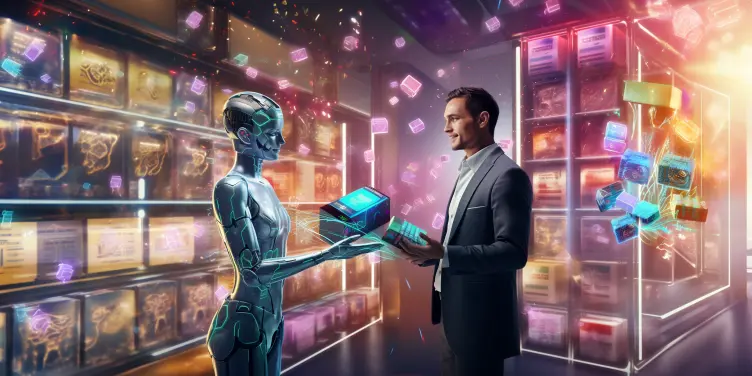
Real-World Examples
- Sephora uses AI to give personalized product suggestions that keep customers coming back.
- Myntra and Temu connect online and offline experiences seamlessly, offering suggestions that match a shopper’s style.
- Salesforce’s Agentforce is helping large companies handle customer queries automatically, freeing up agents for more complex cases.
Conclusion: Loyalty in the Age of AI
Customer loyalty has always been about trust and connection. What’s changed is how businesses deliver those experiences. AI makes it possible to personalize at scale, respond instantly, and even predict what customers will need next. But the real magic happens when technology is combined with the human touch.
The companies that win in this new era won’t be the ones using AI to replace people—they’ll be the ones using AI to bring customers and brands closer together.