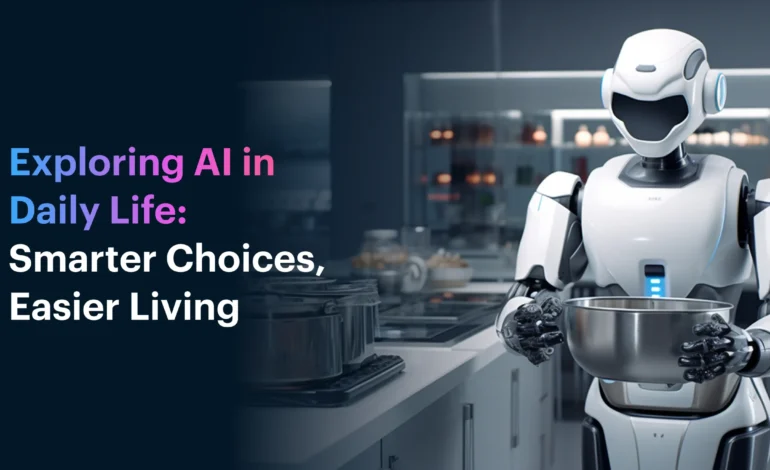

Artificial intelligence is no longer a futuristic concept reserved for science fiction movies. Today, AI is integrated into the products we use daily, from smartphones and virtual assistants to advanced business software and healthcare solutions. As technology continues to evolve, artificial intelligence products are becoming more intelligent, accessible, and valuable for both individuals and organizations.
Whether you’re a business owner looking to streamline operations or a consumer curious about the latest innovations, understanding AI-powered products can help you make informed decisions in a rapidly changing digital world.
What Are Artificial Intelligence Products?
Artificial intelligence products are tools, software, devices, or platforms that use AI technologies such as machine learning, natural language processing, computer vision, and predictive analytics to perform tasks that typically require human intelligence.
These products can learn from data, recognize patterns, make recommendations, automate repetitive tasks, and even communicate with users in a natural way.
Some common examples include:
- AI chatbots
- Voice assistants
- Recommendation engines
- Image recognition software
- AI-powered analytics platforms
- Smart home devices
- Autonomous vehicles
The goal of these products is to improve efficiency, accuracy, productivity, and user experience.
Why Artificial Intelligence Products Matter
The growing popularity of AI products is not just a trend. Businesses and consumers are embracing AI because it solves real-world problems.
Increased Efficiency
AI can handle repetitive and time-consuming tasks much faster than humans. This allows teams to focus on strategic and creative work rather than routine processes.
Better Decision-Making
Modern AI systems analyze large amounts of data and identify patterns that may be difficult for humans to detect. This helps organizations make more informed decisions.
Enhanced Customer Experience
AI-powered products can provide personalized recommendations, instant support, and tailored experiences that improve customer satisfaction.
Cost Savings
Automation reduces manual effort and operational costs, making businesses more efficient and profitable.
Popular Categories of Artificial Intelligence Products
AI Chatbots and Virtual Assistants
One of the most widely adopted AI products is the chatbot. Businesses use AI chatbots to provide 24/7 customer support, answer frequently asked questions, and assist users throughout their customer journey.
Virtual assistants like Siri, Google Assistant, and Alexa have also become common household technologies. These systems use natural language processing to understand and respond to user requests.
AI Writing and Content Creation Tools
Content creators, marketers, and businesses increasingly rely on AI-powered writing tools to generate ideas, create content drafts, and improve productivity.
These tools help with:
- Blog writing
- Email creation
- Social media content
- Content optimization
- Grammar and style improvements
While human creativity remains essential, AI significantly accelerates content production.
AI Analytics Platforms
Modern businesses generate massive amounts of data every day. AI analytics products transform this data into actionable insights.
Organizations use AI analytics to:
- Predict customer behavior
- Forecast sales trends
- Improve marketing campaigns
- Identify operational inefficiencies
- Reduce business risks
This helps companies stay competitive and make smarter strategic decisions.
AI-Powered Marketing Tools
Marketing has been transformed by artificial intelligence. AI products help businesses understand customer preferences and deliver personalized campaigns.
Common AI marketing applications include:
- Audience segmentation
- Predictive marketing
- Automated email campaigns
- Customer behavior analysis
- Content recommendations
These capabilities allow brands to engage customers more effectively and improve conversion rates.
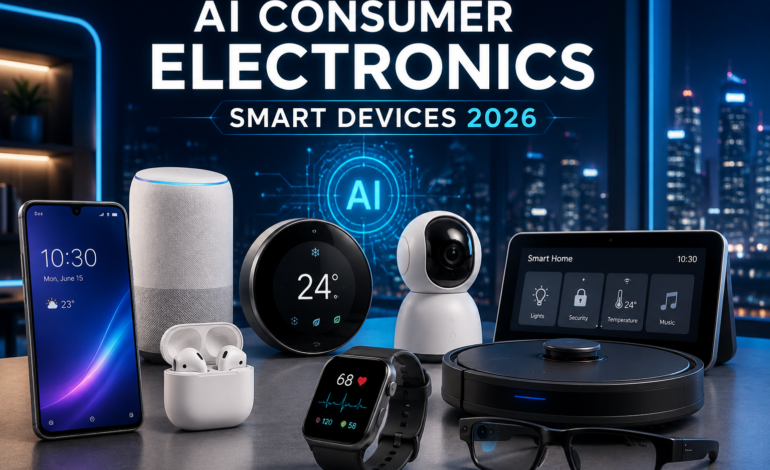
Smart Home AI Products
Artificial intelligence has also entered our homes through smart devices.
Examples include:
- Smart speakers
- Smart thermostats
- Security cameras
- Smart lighting systems
- Home automation hubs
These products learn user preferences and automate everyday activities, creating greater convenience and energy efficiency.
Artificial Intelligence Products in Business
Businesses across industries are adopting AI products to gain a competitive advantage.
Healthcare
AI-powered healthcare products assist with medical imaging, disease detection, patient monitoring, and treatment recommendations.
Healthcare providers can improve diagnostic accuracy while reducing administrative workloads.
Finance
Financial institutions use AI for:
- Fraud detection
- Risk assessment
- Credit scoring
- Algorithmic trading
- Customer service automation
These solutions improve security and operational efficiency.
Retail and E-Commerce
Online retailers rely heavily on AI products to personalize shopping experiences.
AI helps retailers:
- Recommend products
- Manage inventory
- Predict demand
- Optimize pricing
- Improve customer support
This leads to better customer satisfaction and increased revenue.
Manufacturing
Manufacturers use AI to optimize production processes, predict equipment failures, and improve quality control.
Predictive maintenance powered by AI helps companies reduce downtime and lower maintenance costs.
Challenges of Artificial Intelligence Products
Although AI products offer numerous benefits, they also present challenges.
Data Privacy Concerns
Many AI systems require access to large datasets. Businesses must ensure customer information is collected and managed responsibly.
Bias and Fairness
AI models learn from historical data. If the data contains biases, the AI system may produce unfair or inaccurate results.
Dependence on Technology
Organizations should balance automation with human oversight. Over-reliance on AI may create risks if systems fail or produce incorrect recommendations.
Implementation Costs
While AI can save money over time, initial implementation and training costs may be significant for some businesses.
The Future of Artificial Intelligence Products
The future of artificial intelligence products looks incredibly promising.
Emerging trends include:
- More advanced generative AI tools
- AI-powered personal assistants
- Autonomous transportation systems
- Intelligent healthcare solutions
- Hyper-personalized customer experiences
- AI-driven cybersecurity systems
As technology advances, AI products will become even more integrated into our daily lives and business operations.
Organizations that embrace these innovations early will be better positioned to compete in the digital economy.
How to Choose the Right AI Product
When selecting an AI product, consider the following factors:
Define Your Goals
Identify the specific problem you want to solve. Different AI products serve different purposes.
Evaluate Features
Compare available features and determine whether they align with your business needs.
Consider Scalability
Choose a solution that can grow with your business.
Check Security Standards
Ensure the product follows industry-standard security and privacy practices.
Review Customer Support
Reliable support and regular updates are essential for long-term success.
Conclusion
Artificial intelligence products are reshaping the way people work, communicate, shop, and manage their daily lives. From smart assistants and marketing platforms to advanced healthcare and analytics solutions, AI is creating opportunities for greater efficiency, innovation, and growth.
As businesses continue to adopt intelligent technologies, understanding the capabilities and benefits of artificial intelligence products becomes increasingly important. By choosing the right AI solutions and implementing them strategically, organizations can improve productivity, enhance customer experiences, and stay ahead in an increasingly competitive digital landscape.
The AI revolution is already here, and the products powered by artificial intelligence are helping shape the future of technology in ways we could only imagine a few years ago.