
AI Consumer Electronics: The Future of Smart Living
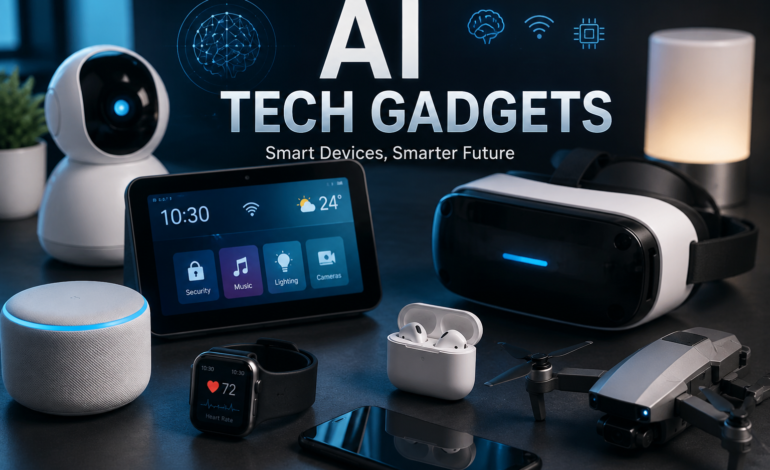
Artificial intelligence is no longer a futuristic concept. Today, it is embedded in many of the devices we use every day. From smartphones that understand our habits to smart home systems that automate daily tasks, AI consumer electronics are redefining how people interact with technology.
As AI technology continues to evolve, manufacturers are integrating intelligent features into a wide range of consumer products. These innovations improve convenience, enhance personalization, boost efficiency, and create a more connected digital experience.
In this article, we’ll explore the growing world of AI consumer electronics, their benefits, key applications, emerging trends, and what consumers can expect in the coming years.
What Are AI Consumer Electronics?
AI consumer electronics are devices designed with artificial intelligence capabilities that enable them to learn, analyze, predict, and respond to user behavior.
Unlike traditional electronics that operate based on fixed programming, AI-powered devices can adapt to user preferences and improve their performance over time.
Examples include:
- AI smartphones
- Smart home devices
- AI-powered security cameras
- Smart speakers
- Wearable technology
- Smart TVs
- Robot vacuum cleaners
- AI laptops and PCs
These products use machine learning, computer vision, natural language processing, and predictive analytics to provide smarter functionality.
Why AI Consumer Electronics Are Growing Rapidly
The demand for intelligent devices has increased significantly over the past few years. Consumers want products that simplify daily life and provide personalized experiences.
Several factors are driving this growth:
Enhanced User Experience
AI-powered gadgets can learn user preferences and deliver customized recommendations, settings, and automation.
Improved Automation
Many smart devices can perform routine tasks without manual intervention, saving users valuable time.
Better Energy Efficiency
AI systems can optimize energy usage in homes and offices, reducing electricity consumption and operating costs.
Advanced Security
AI-enabled cameras and smart security systems can detect unusual activity and provide real-time alerts.
Personalized Technology
Modern consumers expect technology to adapt to their lifestyle, and AI makes that possible.
AI-Powered Smartphones: The Center of Modern Innovation
Smartphones remain one of the most significant examples of AI consumer electronics.
Today’s AI smartphones use artificial intelligence for:
- Intelligent photography
- Voice assistants
- Battery optimization
- Real-time language translation
- Predictive text generation
- Facial recognition
- AI search capabilities
Companies are investing heavily in on-device AI processing to improve performance while protecting user privacy.
As AI chips become more powerful, smartphones will continue to serve as the primary hub for intelligent digital experiences.
Smart Home Devices and AI Integration and AI consumer electronics
Smart homes are among the fastest-growing sectors in consumer technology.
Popular AI-powered smart home devices include:
Smart Speakers
Voice-controlled assistants can manage schedules, answer questions, control appliances, and provide entertainment.
Smart Thermostats
AI algorithms learn user preferences and automatically adjust temperatures to maximize comfort and efficiency.
Smart Lighting Systems
Intelligent lighting adapts to occupancy, time of day, and user routines.
Smart Security Cameras
AI-powered surveillance systems can recognize faces, detect movement, and distinguish between people, pets, and vehicles.
These innovations make homes more convenient, secure, and energy-efficient.
The Rise of AI Wearable Technology
Wearable technology has become increasingly sophisticated thanks to artificial intelligence.
Modern AI wearables offer:
- Health monitoring
- Sleep tracking
- Fitness coaching
- Heart rate analysis
- Stress detection
- Activity recommendations
AI-powered smartwatches and fitness trackers can analyze vast amounts of health data and provide actionable insights.
As healthcare technology advances, wearables will play a larger role in preventive health management.
AI Consumer Electronics in Entertainment
Entertainment devices are becoming smarter than ever.
Smart TVs
AI-powered televisions can:
- Recommend content
- Improve picture quality
- Optimize audio settings
- Enable voice control
Streaming Platforms
Artificial intelligence analyzes viewing habits and recommends personalized content.
Gaming Devices
AI enhances gaming experiences through adaptive difficulty levels, intelligent NPC behavior, and personalized gameplay recommendations.
Consumers now expect entertainment technology to be intuitive, responsive, and personalized.
Emerging Trends in AI Consumer Electronics
The AI consumer electronics market continues to evolve rapidly.
Edge AI
Instead of sending data to cloud servers, devices process information locally.
Benefits include:
- Faster performance
- Enhanced privacy
- Reduced latency
Generative AI Integration
Generative AI is becoming a major feature in smartphones, laptops, and productivity tools.
Users can generate content, edit images, summarize information, and automate tasks directly from their devices.
AI-Powered Personal Assistants and AI consumer electronics
Future assistants will become more conversational, proactive, and context-aware.
Sustainable AI Electronics
Manufacturers are focusing on environmentally friendly designs and energy-efficient AI processing.
Benefits of AI Consumer Electronics
Consumers are embracing AI-powered gadgets because they offer significant advantages.
Convenience
Devices automate repetitive tasks and simplify daily routines.
Personalization
Products learn from user behavior and deliver tailored experiences.
Increased Productivity
AI tools help users manage tasks more efficiently.
Improved Security
Intelligent systems can identify threats and respond quickly.
Better Decision-Making
AI provides insights based on collected data and user patterns.
These benefits contribute to higher customer satisfaction and long-term adoption.
Challenges Facing AI Consumer Electronics
Despite rapid growth, several challenges remain.
Privacy Concerns
Many consumers worry about how their data is collected and used.
Cybersecurity Risks
Connected devices can become targets for cyberattacks if not properly secured.
Cost
Advanced AI features can increase product prices.
Ethical Considerations
Manufacturers must ensure AI systems operate fairly and transparently.
Addressing these concerns will be essential for maintaining consumer trust.
The Future of AI Consumer Electronics
The future of AI consumer electronics looks incredibly promising.
Industry experts predict that AI will become a standard feature in most consumer devices. Future innovations may include:
- Fully autonomous smart homes
- Advanced AI assistants
- Personalized healthcare devices
- Intelligent transportation systems
- AI-powered augmented reality experiences
As artificial intelligence becomes more powerful and accessible, consumers will benefit from smarter, safer, and more efficient technology.
Final Thoughts
AI consumer electronics are transforming the way people interact with technology. From AI smartphones and wearable devices to smart homes and entertainment systems, artificial intelligence is creating more personalized and efficient experiences.
As innovation continues to accelerate, AI-powered gadgets will become increasingly integrated into everyday life. Consumers who embrace these advancements can enjoy greater convenience, improved productivity, enhanced security, and smarter decision-making.
The age of intelligent consumer technology is here, and its impact is only beginning to unfold.